Skip to content
Wisdom teeth are the final set of teeth that usually develop at the back of the mouth, commonly appearing between the ages of 17 and 25. For some people, these teeth grow normally without creating any issues. However, many individuals experience problems due to insufficient space in the jaw for proper growth. This can lead to pain, swelling, infection, gum problems, and damage to nearby teeth.
Wisdom Tooth Removal is a common dental procedure recommended when wisdom teeth become problematic or have a high chance of causing future complications. With modern dental technology, advanced imaging, and improved treatment methods, wisdom tooth extraction has become safer and more comfortable for patients.
Understanding the reasons behind wisdom tooth removal, the treatment process, cost factors, recovery timeline, and proper aftercare can help patients make better decisions about their oral health. Consulting an experienced dentist at the right time can prevent unnecessary pain and protect your long-term dental health.
What Is Wisdom Tooth Removal?
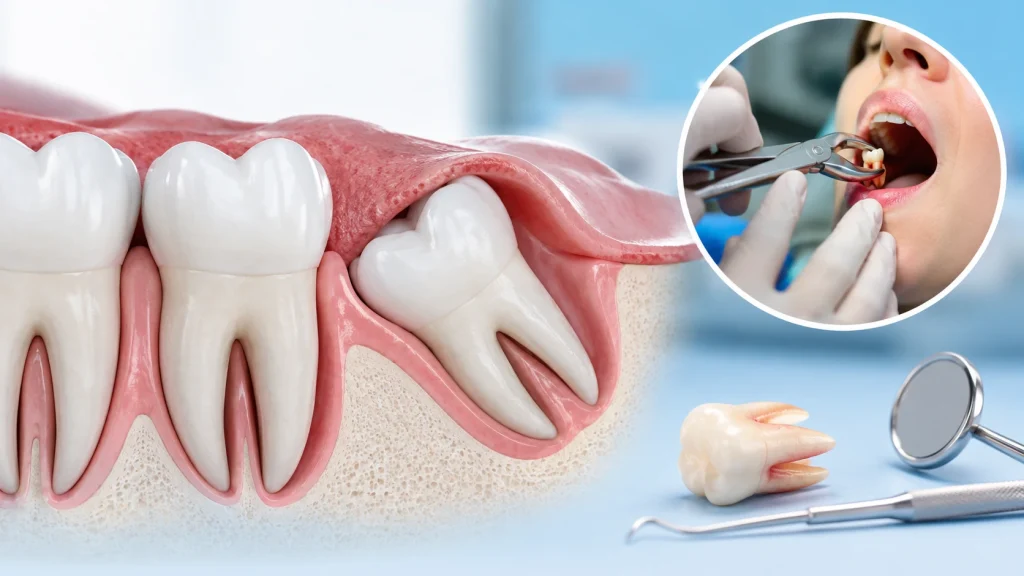
Wisdom Tooth Removal is a dental treatment that involves extracting one or more wisdom teeth that are causing oral health problems. These teeth are located at the back corners of the mouth and are the last teeth to develop.
In many cases, wisdom teeth do not have enough room to emerge fully. As a result, they may become impacted, meaning they remain partially or completely trapped under the gum line. Impacted wisdom teeth can create pressure, infection, and discomfort, requiring professional evaluation and treatment.
A dentist usually performs a detailed oral examination along with dental X-rays before recommending an extraction. The decision depends on factors such as tooth position, gum condition, jaw structure, and the possibility of future complications.
Why Do Wisdom Teeth Need to Be Removed?
Not every wisdom tooth requires removal. If they grow properly, remain healthy, and can be cleaned easily, they may not cause problems. However, removal becomes necessary when they create risks for oral health.
Impacted Wisdom Teeth
One of the most common reasons for extraction is an impacted wisdom tooth. When there is insufficient space in the jaw, the tooth may grow at an incorrect angle or remain beneath the gum. This can cause pain, swelling, and difficulty maintaining proper oral hygiene.
Repeated Gum Infection
Partially erupted wisdom teeth can create small spaces around the gums where bacteria and food particles collect. This may lead to gum infection, bad breath, and discomfort.
Damage to Nearby Teeth
A growing wisdom tooth can put pressure on surrounding teeth, increasing the risk of tooth crowding, enamel damage, and decay in nearby areas.
Severe Tooth Pain and Discomfort
Persistent pain in the back of the mouth is often a warning sign of wisdom tooth problems. Removing the affected tooth can provide long-term relief and prevent recurring discomfort.
Tooth Decay
Because wisdom teeth are located in hard-to-reach areas, many people find them difficult to clean properly. This increases the chance of cavities and bacterial buildup.
Common Symptoms That Indicate You May Need Wisdom Tooth Removal
Some wisdom tooth problems develop slowly, while others cause sudden discomfort. You should consult a dentist if you experience symptoms such as:
- Pain in the back of the jaw
- Swollen or tender gums
- Difficulty opening your mouth
- Gum redness or irritation
- Bad breath caused by infection
- Pain while chewing
- Pressure around nearby teeth
Early diagnosis allows dentists to provide suitable treatment before the condition becomes more complicated.
Wisdom Tooth Removal Procedure: Step-by-Step Explanation
The Wisdom Tooth Removal Procedure depends on whether the tooth has fully erupted or is impacted. A professional dentist carefully evaluates the condition before choosing the safest extraction method.
Initial Dental Examination and X-Ray
Before starting treatment, the dentist examines the wisdom tooth and surrounding tissues. Dental X-rays help identify the tooth position, root structure, and relationship with nearby nerves and teeth.
This evaluation allows the dentist to create a personalized treatment plan and reduce possible risks during extraction.
Anesthesia and Patient Preparation
During the procedure, anesthesia is used to numb the treatment area. This helps patients remain comfortable throughout the extraction process. Depending on the complexity of the case, the dentist may recommend different levels of anesthesia.
Modern dental practices focus on patient comfort by using advanced techniques to minimize anxiety and discomfort.
Tooth Extraction Process
If the wisdom tooth has completely emerged, the extraction process is usually straightforward. The dentist carefully loosens and removes the tooth.
For impacted wisdom teeth, a minor surgical extraction may be required. In this situation, the dentist may make a small opening in the gum to safely remove the tooth.
The complexity of the procedure depends on the tooth’s position, root shape, and surrounding bone structure.
Aftercare Guidance After Extraction
After completing the procedure, the dentist provides detailed instructions to support proper healing. Following these recommendations is essential for preventing complications and ensuring a smooth recovery.
Wisdom Tooth Removal Cost: Factors That Affect Treatment Price
The Wisdom Tooth Removal Cost varies from patient to patient because every dental case is different. The final cost depends on several factors, including the complexity of the extraction and the treatment requirements.
Type of Wisdom Tooth Extraction
A simple extraction usually requires less time and resources compared to a surgical extraction. Impacted wisdom teeth may require advanced procedures, which can affect the overall cost.
Tooth Position and Complexity
The location and angle of the wisdom tooth play an important role in determining the difficulty of removal. Teeth that are deeply impacted may require more specialized care.
Dental Examination and Imaging
Before extraction, dentists often perform X-rays to understand the tooth structure. These diagnostic steps help ensure safe and accurate treatment.
Dentist Expertise and Clinic Facilities
Choosing an experienced dental professional with modern equipment can improve treatment safety and patient comfort.
Patients should always focus on quality dental care rather than choosing treatment based only on price. A proper consultation helps determine the exact cost according to individual needs.
Wisdom Tooth Removal Recovery: Healing Timeline and Aftercare
The recovery process after Wisdom Tooth Removal depends on the complexity of the procedure and the patient’s overall oral health. Most patients experience gradual improvement within a few days when proper aftercare instructions are followed.
First Few Days After Wisdom Tooth Extraction
During the initial recovery period, mild swelling and discomfort may occur. These symptoms are generally temporary and improve as the healing process continues.
Patients should follow their dentist’s instructions carefully, maintain oral hygiene, and avoid activities that may disturb the extraction area.
Foods Recommended After Wisdom Tooth Removal
Eating soft foods can help protect the healing area during recovery. Suitable options include:
- Soft fruits
- Yogurt
- Soup
- Mashed foods
- Smooth foods
Avoid hard, crunchy, or extremely hot foods that may irritate the extraction site.
Long-Term Recovery and Healing
Complete healing varies depending on the type of extraction. Simple extractions usually recover faster, while surgical extractions may require more healing time.
Regular follow-up appointments help dentists monitor recovery and address any concerns.
Benefits of Wisdom Tooth Removal
Removing problematic wisdom teeth can provide several important oral health benefits. The procedure can reduce discomfort and prevent future dental complications.
Key benefits include:
- Relief from recurring wisdom tooth pain
- Prevention of gum infection
- Protection of nearby teeth
- Improved oral hygiene
- Reduced risk of future dental emergencies
Timely treatment can help maintain healthier teeth and gums for the long term.
Possible Risks and Complications of Wisdom Tooth Extraction
Although wisdom tooth extraction is a commonly performed dental procedure, some temporary effects may occur after treatment.
Possible concerns may include:
- Temporary swelling
- Mild discomfort
- Jaw stiffness
- Sensitivity around the extraction area
Choosing an experienced dentist and following proper aftercare instructions can significantly reduce the risk of complications.
How to Prepare Before Wisdom Tooth Removal
Proper preparation can make the treatment experience easier. Before your appointment:
- Inform your dentist about your dental history
- Follow pre-treatment instructions
- Ask questions about the procedure
- Arrange proper recovery time if needed
A clear understanding of the treatment process helps patients feel more confident.
Why Choose Professional Dental Care for Wisdom Tooth Removal?
Selecting a qualified dental professional is essential for safe and successful wisdom tooth extraction. An experienced dentist can accurately diagnose the condition, perform the procedure carefully, and provide proper recovery guidance.
Professional dental care provides:
- Accurate diagnosis
- Advanced treatment planning
- Safe extraction techniques
- Better patient comfort
- Proper follow-up support
A trusted dental clinic focuses not only on removing the tooth but also on protecting overall oral health.
Conclusion
Wisdom Tooth Removal is an effective dental solution for managing impacted, painful, or problematic wisdom teeth. Although the idea of extraction may feel concerning, modern dentistry has made the procedure safer, more predictable, and more comfortable for patients.
Early consultation with an experienced dentist can help identify problems before they become serious. By understanding the procedure, cost factors, recovery process, and aftercare requirements, patients can make informed decisions and maintain better oral health.
If you are experiencing wisdom tooth pain, swelling, or discomfort, scheduling a professional dental evaluation is the first step toward a healthier and pain-free smile.
Frequently Asked Questions About Wisdom Tooth Removal
1. Is Wisdom Tooth Removal a painful procedure?
With modern anesthesia and advanced dental techniques, wisdom tooth removal is generally a comfortable procedure. Patients may experience mild discomfort after extraction, but proper aftercare and dentist-recommended medication can help manage recovery.
2. How long does it take to recover after Wisdom Tooth Removal?
Recovery time depends on the complexity of the extraction. Many patients start feeling better within a few days, while complete healing may take longer for surgical extractions.
3. Can I avoid Wisdom Tooth Removal if there is no pain?
Pain is not always the only sign of a problem. Some wisdom teeth may create hidden issues that are visible through dental examinations and X-rays. A dentist can determine whether removal is necessary.
4. What should I eat after wisdom tooth extraction?
Soft foods such as yogurt, soup, mashed foods, and soft fruits are commonly recommended during the early recovery period. Hard and crunchy foods should be avoided until healing progresses.
5. When is the best time to remove wisdom teeth?
The ideal timing depends on your dental condition. Dentists often recommend evaluation when wisdom teeth begin causing problems or show signs that future complications may occur.