Skip to content
A child’s smile is one of the most precious things for every parent, and maintaining healthy teeth from an early age plays an important role in overall growth and development. Many parents focus on their child’s general health but often overlook the importance of proper dental care during childhood. However, early dental habits, regular checkups, and preventive care can significantly reduce future oral health problems.
Children’s dentistry is a specialized area of dental care designed to protect and improve the oral health of infants, children, and teenagers. Unlike adult dental care, pediatric dentistry focuses on the unique needs of growing children, including developing teeth, jaw growth, dental anxiety management, and preventive treatments.
Baby teeth may eventually fall out, but they serve several important purposes. They help children chew properly, develop clear speech, maintain proper jaw structure, and guide permanent teeth into their correct positions. Neglecting baby teeth can lead to pain, infections, and problems with future permanent teeth.
With guidance from experienced dental professionals and good oral hygiene habits at home, parents can help their children enjoy strong and healthy smiles for a lifetime.
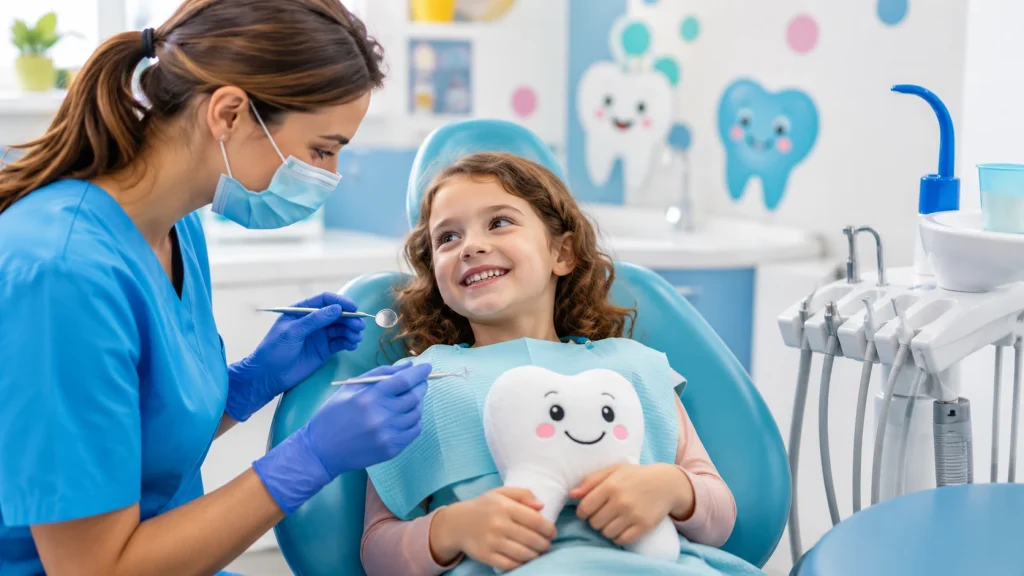
What Is Children’s Dentistry?
Understanding Pediatric Dental Care
Children’s dentistry, also known as pediatric dentistry, is a branch of dentistry that focuses on diagnosing, preventing, and treating dental problems in children from infancy through adolescence. Pediatric dentists receive additional training to understand children’s dental development, behavior patterns, and specific oral health needs.
A child’s mouth changes rapidly as they grow. The first baby tooth usually appears during infancy, followed by the gradual development of permanent teeth. During this process, regular dental monitoring helps identify potential problems early and ensures proper dental development.
Children’s dentists provide a wide range of services, including:
- Infant dental examinations
- Preventive dental checkups
- Professional teeth cleaning
- Fluoride treatments
- Dental sealants
- Cavity treatment
- Emergency dental care
- Monitoring tooth and jaw development
- Guidance for oral habits such as thumb sucking
The main goal of pediatric dentistry is not only to treat dental problems but also to prevent them through education, early diagnosis, and healthy habits.
Why Children’s Dentistry Is Important
The Role of Early Dental Care in Childhood Development
Many parents assume dental visits are unnecessary until all permanent teeth appear. However, early dental care is essential because dental problems can begin as soon as the first tooth develops.
Healthy teeth support several important areas of childhood development, including:
Proper Nutrition
Children need strong teeth to chew food properly. Tooth pain or decay can make eating uncomfortable and may affect their nutritional intake.
Speech Development
Teeth play a role in pronunciation and speech clarity. Maintaining healthy teeth helps children develop proper speaking abilities.
Confidence and Social Development
A healthy smile can improve a child’s confidence when interacting with others. Dental problems such as visible cavities or damaged teeth may affect how children feel about their appearance.
Prevention of Future Dental Issues
Regular dental visits allow professionals to identify early warning signs and prevent the need for more complicated treatments in the future.
When Should a Child First Visit the Dentist?
Recommended Age for the First Dental Checkup
Many dental organizations recommend that children visit a dentist by their first birthday or within six months after their first tooth appears.
An early dental visit helps parents understand:
- Proper brushing techniques
- Appropriate fluoride use
- Healthy eating habits
- Teething management
- Prevention of early childhood cavities
The first visit is usually focused on examination, education, and helping the child become comfortable with the dental environment.
Common Dental Problems in Children
Tooth Decay and Cavities
Tooth decay is one of the most common oral health problems among children. It occurs when bacteria in the mouth combine with sugars from food and drinks, creating acids that damage tooth enamel.
Children are more vulnerable to cavities because their brushing skills are still developing. Frequent consumption of sugary snacks and poor oral hygiene can increase the risk.
Common signs of cavities include:
- Tooth sensitivity
- White or dark spots on teeth
- Pain while eating
- Visible holes in teeth
- Difficulty chewing
Early detection allows dentists to provide simple treatment before the problem becomes severe.
Gum Problems in Children
Although gum disease is more commonly associated with adults, children can also experience gum inflammation caused by plaque buildup.
Symptoms may include:
- Red or swollen gums
- Bleeding during brushing
- Bad breath
- Gum discomfort
Regular brushing, flossing, and professional cleaning help maintain healthy gums.
Dental Anxiety and Fear
Many children feel nervous about visiting the dentist, especially during their first appointment. Dental anxiety is common and can prevent children from receiving necessary care.
Pediatric dentists use child-friendly communication techniques, gentle approaches, and comfortable environments to make dental visits positive experiences.
Parents can also help by:
- Speaking positively about dental visits
- Avoiding frightening words when explaining treatment
- Encouraging regular dental routines
- Staying calm during appointments
Thumb Sucking and Pacifier Habits
Thumb sucking and pacifier use are normal behaviors for infants. However, prolonged habits may affect tooth alignment and jaw development.
If these habits continue beyond early childhood, dentists can provide guidance to reduce possible dental complications.
Preventive Dental Treatments for Children
Regular Dental Examinations
Routine dental checkups are the foundation of children’s oral health. During examinations, dentists evaluate:
- Tooth growth
- Bite development
- Signs of decay
- Gum health
- Oral habits
Regular visits help detect problems early and reduce the need for complex treatments.
Professional Teeth Cleaning
Children often struggle to remove all plaque through brushing alone. Professional cleaning removes buildup from areas that are difficult to reach.
Benefits include:
- Reduced risk of cavities
- Healthier gums
- Fresher breath
- Improved oral hygiene
Fluoride Treatment
Fluoride is a naturally occurring mineral that strengthens tooth enamel and protects against cavities.
Professional fluoride treatments provide additional protection, especially for children who have a higher risk of tooth decay.
Dentists determine the appropriate fluoride treatment based on the child’s age, dental condition, and risk factors.
Dental Sealants
Dental sealants are protective coatings applied to the chewing surfaces of permanent back teeth. These areas often contain deep grooves where food particles and bacteria can collect.
Sealants act as a barrier and help prevent cavities in vulnerable areas.
How Parents Can Maintain Healthy Smiles at Home
Building Good Oral Hygiene Habits
Dental care does not stop after leaving the clinic. Daily habits at home are equally important for maintaining healthy teeth.
Parents should encourage children to:
- Brush teeth twice daily
- Use fluoride toothpaste recommended by dentists
- Floss regularly when your teeth touch each other
- Drink plenty of water
- Avoid excessive sugary snacks
- Replace toothbrushes regularly
Young children need supervision while brushing because they may not have developed the skills needed to clean their teeth effectively.
Importance of Nutrition in Children’s Dental Health
Foods That Support Healthy Teeth
A balanced diet plays an important role in maintaining strong teeth and gums. Nutrient-rich foods help strengthen developing teeth and support overall health.
Healthy choices include:
- Milk and dairy products
- Fresh fruits
- Vegetables
- Eggs
- Fish
- Whole grains
- Nuts and seeds
Calcium and phosphorus-rich foods are especially beneficial because they support tooth strength.
Foods That Can Harm Children’s Teeth
Frequent consumption of sugary foods and drinks increases the risk of cavities.
Parents should limit:
- Candy
- Sugary beverages
- Sweetened snacks
- Sticky foods
- Frequent snacking between meals
Instead of completely restricting treats, parents can encourage moderation and proper brushing habits.
Children’s Dental Emergency Care
Common Dental Emergencies
Children are active and may experience dental injuries during sports, play, or accidents.
Common emergencies include:
- Broken teeth
- Severe tooth pain
- Dental injuries
- Swelling around the mouth
- Lost fillings
Seeking professional dental care quickly can prevent complications and protect long-term oral health.
Parents should keep contact information for a trusted children’s dentist available for urgent situations.
The Importance of Regular Dental Visits During Growth
Monitoring Teeth and Jaw Development
Children’s mouths change significantly as they grow. Regular dental visits allow professionals to monitor:
- Tooth eruption patterns
- Jaw development
- Bite alignment
- Space for permanent teeth
Early identification of orthodontic concerns can make future treatments easier and more effective.
Choosing the Right Children’s Dentist
Factors Parents Should Consider
Selecting the right dental professional is an important decision for your child’s oral health.
Parents should consider:
Experience With Children
A dentist experienced in pediatric care understands how to communicate with children and manage their specific needs.
Child-Friendly Environment
A welcoming clinic environment helps children feel comfortable and reduces dental anxiety.
Preventive Approach
A good children’s dentist focuses on prevention, education, and long-term oral health rather than only treating problems.
Communication With Parents
Dentists should clearly explain treatments, recommendations, and home care instructions.
How Children’s Dentistry Creates Lifelong Healthy Smiles
Children who receive proper dental care from an early age are more likely to maintain good oral hygiene habits throughout life. Positive dental experiences during childhood help reduce fear and encourage regular dental visits in adulthood.
Children’s dentistry is not only about fixing teeth. It is about building confidence, preventing disease, educating families, and creating a foundation for lifelong oral health.
By combining professional dental care with healthy daily habits, parents can give their children the best opportunity for a strong and beautiful smile.
Conclusion
Children’s dentistry plays a vital role in protecting young smiles and supporting healthy development. From the first dental visit to regular preventive checkups, every step contributes to better oral health. Early dental care helps prevent cavities, supports proper tooth development, and teaches children valuable habits that last a lifetime.
Parents who prioritize regular dental visits, balanced nutrition, and proper home care can help their children avoid many common dental problems. A healthy smile begins in childhood, and professional pediatric dental care provides the guidance needed to maintain it.
Frequently Asked Questions (FAQs)
1. At what age should children start visiting a dentist?
Children should visit a dentist by their first birthday or within six months after their first tooth appears. Early visits help identify problems and establish good oral health habits.
2. How often should children visit a dentist?
Most children should have dental checkups every six months. However, the dentist may recommend a different schedule depending on the child’s oral health condition.
3. Are baby teeth important if they eventually fall out?
Yes. Baby teeth help children chew, speak properly, maintain facial development, and guide permanent teeth into the correct position.
4. How can parents prevent cavities in children?
Parents can reduce cavity risks by encouraging twice-daily brushing, limiting sugary foods, providing a balanced diet, and scheduling regular dental checkups.
5. What should parents do if a child is afraid of the dentist?
Parents should use positive language, avoid creating fear, and choose a dentist experienced in treating children. A friendly dental environment can help children feel comfortable and confident.