Skip to content
A healthy smile is not only important for appearance but also plays a significant role in overall health and confidence. However, many people visit a dentist only when they experience severe tooth pain, sensitivity, or visible dental problems. This approach can allow minor issues to develop into more complex conditions that require extensive treatment. A regular Dental Check-up Guide helps people understand why routine dental visits are necessary and how preventive care can protect their teeth and gums for years.
A dental check-up is a professional evaluation of your oral health where a dentist examines your teeth, gums, and mouth to identify early signs of problems such as cavities, gum disease, enamel damage, or other concerns. With modern dental technology and preventive dentistry practices, regular examinations have become easier, safer, and more comfortable than ever.
Whether you want to maintain good oral hygiene, prevent future dental problems, or improve your smile, routine dental check-ups are one of the most effective steps you can take. This complete guide explains the dental check-up process, benefits, cost factors, preparation tips, and expert recommendations to help you make informed decisions about your oral health.
What Is a Dental Check-up?
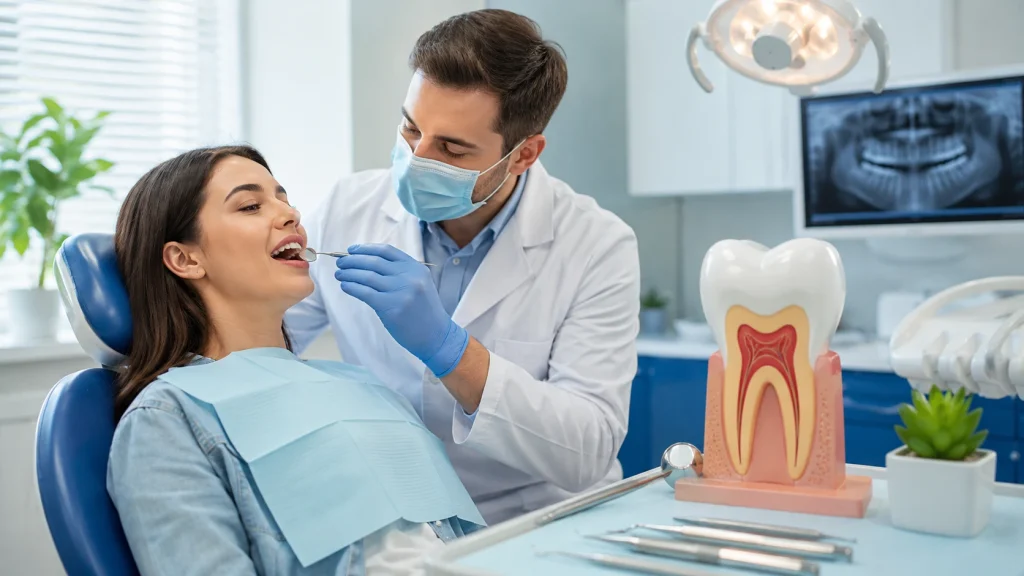
A dental check-up is a routine appointment with a dentist to evaluate the current condition of your teeth, gums, and overall oral health. During this visit, the dentist carefully examines your mouth to detect any existing problems and identify potential risks before they become serious.
Many dental conditions develop slowly and may not show noticeable symptoms during the early stages. For example, cavities can begin beneath the tooth surface, and gum problems may progress without significant pain. A professional dental examination allows these issues to be detected early, making treatment simpler and more effective.
A dental check-up usually includes a combination of oral examination, professional cleaning, and personalized advice based on your dental condition. If required, the dentist may recommend additional procedures such as dental X-rays or preventive treatments.
Unlike emergency dental visits that focus on treating pain or damage, regular check-ups focus on prevention, maintenance, and long-term oral health improvement.
Why Are Regular Dental Check-ups Important?
Preventing Dental Problems Before They Become Serious
One of the biggest advantages of regular dental visits is early detection. Many oral health problems can be treated more easily when identified at an early stage. A small cavity, for example, may only require a simple filling, while untreated decay can eventually require more complicated procedures.
Regular check-ups allow dentists to monitor changes in your oral health and provide timely solutions. This preventive approach can save both time and money while reducing the risk of major dental treatments.
Maintaining Healthy Teeth and Gums
Healthy teeth depend on healthy gums. Gum problems are among the most common oral health issues, and they can gradually affect tooth stability if left untreated.
During a dental check-up, dentists examine your gums for signs of inflammation, infection, or other concerns. Professional cleaning also removes plaque and tartar buildup that regular brushing may not eliminate.
Maintaining healthy gums helps support stronger teeth and improves overall oral hygiene.
Detecting Hidden Dental Issues
Many dental problems remain hidden until they become painful. A routine examination helps dentists identify issues that may not be visible to patients.
A dentist can detect:
- Early-stage cavities
- Gum inflammation
- Tooth cracks
- Enamel problems
- Oral infections
- Bite-related concerns
Early diagnosis provides more treatment options and usually leads to better outcomes.
What Happens During a Dental Check-up?
Understanding the dental examination process can help patients feel more comfortable and prepared before visiting a clinic. A typical check-up involves several important steps designed to evaluate and improve oral health.
Step 1: Dental Health Consultation
The first part of a dental check-up usually involves a conversation between the patient and dentist. The dentist may ask questions about your dental history, current concerns, previous treatments, and daily oral care habits.
You may need to discuss:
- Tooth sensitivity or discomfort
- Previous dental procedures
- Brushing and flossing routine
- Medical conditions
- Lifestyle habits affecting oral health
This information helps the dentist understand your overall dental condition and provide suitable recommendations.
Step 2: Comprehensive Oral Examination
After consultation, the dentist performs a detailed examination of your mouth. This includes checking your teeth, gums, tongue, and other areas for signs of possible problems.
The dentist looks for:
- Tooth decay
- Plaque and tartar buildup
- Gum health issues
- Damaged fillings or restorations
- Signs of infection
A thorough examination allows the dentist to create an accurate assessment of your oral health.
Step 3: Professional Dental Cleaning
Professional cleaning is an important part of many dental check-ups. Even with regular brushing and flossing, some plaque can harden into tartar, which cannot be removed with a normal toothbrush.
Dental cleaning helps remove buildup and improve oral hygiene. It can also help prevent gum disease, bad breath, and tooth decay.
During cleaning, dental professionals use specialized tools to safely clean areas that are difficult to reach at home.
Step 4: Dental X-ray (When Required)
In some situations, a dentist may recommend dental X-rays as part of a complete examination. A visual check-up allows dentists to examine the visible parts of your teeth and gums, but some problems may exist below the surface. Dental X-rays help identify hidden issues that cannot be detected through a normal examination.
Dental X-rays may help dentists find:
- Hidden cavities between teeth
- Problems below the gum line
- Tooth root infections
- Impacted teeth
- Bone structure changes
- Issues with previous dental treatments
Modern dental clinics use advanced digital X-ray technology that provides clearer images with improved accuracy. Dentists only recommend X-rays when they are necessary for proper diagnosis and treatment planning.
Step 5: Personalized Dental Advice and Treatment Plan
After completing the examination, the dentist discusses your oral health condition and explains any recommended treatments or preventive steps. A professional dentist not only treats problems but also educates patients about maintaining better oral hygiene.
Depending on your dental condition, the dentist may suggest:
- Improved brushing and flossing techniques
- Professional cleaning schedules
- Fluoride treatment
- Filling for cavities
- Gum care recommendations
- Orthodontic consultation
- Cosmetic dental options
A personalized treatment plan helps patients understand their dental needs and make informed decisions about their oral health.
Benefits of Regular Dental Check-ups
Regular dental visits are an important part of preventive healthcare. Many people underestimate the value of routine examinations because they focus only on immediate dental problems. However, professional dental care provides several long-term benefits.
Early Detection Saves Time and Money
One of the main benefits of regular dental check-ups is identifying problems before they become severe. Treating a small dental issue is usually easier and less expensive compared to handling advanced conditions.
For example, early tooth decay can often be repaired with a simple filling. If ignored for a long time, the same tooth may require more complex procedures.
Routine check-ups allow dentists to monitor your oral condition and recommend treatment at the right time.
Prevents Gum Disease
Gum disease is a common dental problem that can affect people of different ages. It often begins with plaque buildup around the gum line. Without proper care, it may lead to gum infection and other complications.
Regular dental examinations and professional cleaning help control plaque and tartar buildup, supporting healthier gums.
Signs that may indicate gum problems include:
- Bleeding gums
- Gum swelling
- Persistent bad breath
- Gum sensitivity
- Loose teeth
If you notice these symptoms, consulting a dentist early can help prevent further damage.
Improves Oral Hygiene Habits
Many people brush their teeth daily but may not follow the correct technique. During a dental check-up, dentists provide professional guidance on improving oral care routines.
A dentist can recommend:
- Proper brushing methods
- Suitable toothbrush types
- Flossing techniques
- Oral hygiene products
This guidance helps patients develop better habits for maintaining healthy teeth and gums.
Helps Maintain a Confident Smile
A clean and healthy smile improves confidence in personal and professional interactions. Regular dental check-ups help maintain brighter teeth, healthier gums, and better overall oral appearance.
Professional cleaning can remove surface stains caused by certain foods and drinks, helping your smile look cleaner and fresher.
Supports Overall Health
Oral health is closely connected with general health. Problems inside the mouth can affect comfort, eating ability, and quality of life.
Maintaining good dental health through regular examinations supports better overall wellness and helps prevent avoidable oral complications.
How Often Should You Get a Dental Check-up?
Many dental professionals recommend visiting a dentist every six months for routine examinations. However, the ideal frequency depends on your individual oral health condition.
Some people may need more frequent visits because they have a higher risk of dental problems.
You may need regular dental monitoring if you:
- Have a history of frequent cavities
- Experience gum problems
- Wear braces or orthodontic appliances
- Have dental restorations like crowns or bridges
- Have poor oral hygiene habits
- Smoke or use tobacco products
A dentist can evaluate your condition and suggest a suitable check-up schedule based on your needs.
Regular visits are not only for treating problems; they are also an opportunity to prevent future dental issues.
Dental Check-up Cost: Factors That Influence Pricing
The cost of a dental check-up can vary depending on several factors, including the clinic location, the dentist’s experience, the services included, and whether additional procedures are required.
A basic dental consultation may include an oral examination, while some clinics may offer packages that include cleaning and preventive services.
Factors That Affect Dental Check-up Cost
Location of the Dental Clinic
Dental clinics located in major cities may have different pricing compared to clinics in smaller areas. Facilities, technology, and operating costs can influence consultation fees.
Dentist’s Experience and Qualification
A dentist’s training, experience, and specialization can affect consultation charges. Experienced dental professionals often provide more detailed evaluations and treatment planning.
Additional Services Required
The total cost may increase if you need additional procedures such as:
- Dental cleaning
- X-rays
- Fillings
- Gum treatment
- Other dental procedures
Dental Technology Used
Clinics using advanced diagnostic equipment and modern treatment techniques may have different pricing structures compared to traditional dental setups.
Before choosing a dental clinic, patients should consider the quality of care, dentist expertise, hygiene standards, and treatment transparency rather than focusing only on cost.
How to Prepare Before a Dental Check-up?
A little preparation before your appointment can make your dental visit more effective and comfortable.
Maintain Your Regular Oral Hygiene Routine
Continue your normal brushing and flossing routine before visiting the dentist. A clean mouth allows the dentist to perform a more accurate examination.
Prepare Your Dental History
Inform your dentist about:
- Previous dental treatments
- Existing dental concerns
- Allergies
- Current medications
- Any ongoing health conditions
Complete information helps dentists provide safer and more effective recommendations.
Write Down Your Concerns
If you have specific problems such as sensitivity, pain, or discomfort, make a note before your appointment. This ensures you do not forget important details during the consultation.
Ask Questions
A dental check-up is a good opportunity to understand your oral health better. Do not hesitate to ask your dentist about treatment options, preventive care, or improving your daily routine.
Common Dental Problems Detected During Check-ups
Regular examinations help identify several common dental conditions at an early stage.
Tooth Cavities
Cavities occur when bacteria produce acids that damage the tooth surface. Without treatment, decay can progress deeper into the tooth.
Early detection allows dentists to restore the tooth before major damage occurs.
Gum Disease
Gum disease affects the tissues supporting your teeth. It often begins with plaque accumulation and may gradually become more serious if untreated.
Regular cleaning and professional monitoring help maintain healthy gums.
Tooth Sensitivity
Sensitivity can occur when the protective enamel becomes weaker or when gums recede. A dentist can identify the cause and suggest appropriate solutions.
Tooth Grinding
Some people unconsciously grind their teeth, especially during sleep. This can damage teeth over time. During check-ups, dentists may identify signs of grinding and recommend protective measures.
Oral Infections
Dental examinations help identify signs of infection that may require immediate attention. Early treatment can prevent discomfort and further complications.
Tips to Maintain Healthy Teeth Between Dental Visits
Although professional dental check-ups are essential, daily habits play the biggest role in maintaining oral health.
Brush Your Teeth Properly
Brush your teeth twice daily using proper techniques. Make sure you clean all tooth surfaces without applying excessive pressure.
Floss Regularly
Flossing removes food particles and plaque from areas that toothbrushes cannot easily reach, especially between teeth.
Maintain a Balanced Diet
A healthy diet supports stronger teeth. Reduce excessive sugary foods and include nutritious foods that support oral health.
Drink Enough Water
Water helps remove food particles and supports natural saliva production, which protects teeth.
Avoid Ignoring Dental Warning Signs
Many people delay dental visits because symptoms seem minor. However, early consultation can prevent small problems from becoming serious.
Seek professional advice if you experience:
- Persistent tooth pain
- Gum bleeding
- Swelling
- Increased sensitivity
- Changes in your bite
How to Choose the Right Dental Clinic for Your Check-up?
Choosing a reliable dental clinic is an important decision because the quality of care directly affects your oral health.
A trusted dental clinic should provide:
Experienced Dental Professionals
Qualified dentists with proper training and experience can provide accurate diagnoses and effective treatment recommendations.
Modern Equipment and Technology
Advanced dental tools improve diagnosis accuracy and patient comfort.
Hygienic Treatment Environment
Clean and properly maintained facilities are essential for safe dental procedures.
Transparent Communication
A professional dentist should clearly explain your condition, available treatment options, and expected outcomes.
Patient-Focused Care
A good dental clinic focuses on patient comfort and provides personalized solutions according to individual needs.
Why Preventive Dental Care Is Better Than Emergency Treatment
Many people visit dentists only when they experience severe discomfort. While emergency dental treatment is important, preventing problems before they occur is always a better approach.
Preventive dental care helps:
- Detect problems early
- Reduce treatment complexity
- Maintain natural teeth longer
- Avoid unnecessary discomfort
- Improve confidence in oral health
Regular dental check-ups create a long-term relationship between patients and dental professionals, allowing better monitoring and continuous care.
Final Thoughts
A Dental Check-up Guide is not only about understanding a dental appointment; it is about recognizing the importance of preventive oral healthcare. Regular dental examinations help protect your teeth, maintain healthy gums, and detect problems before they become complicated.
A healthy smile requires consistent care, and professional dental check-ups are a key part of that process. By combining regular dentist visits with good daily hygiene habits, you can maintain strong teeth and better oral health for the future.
Choosing an experienced dental professional and scheduling routine examinations is a simple investment that can provide long-term benefits for your smile, confidence, and overall well-being.
Frequently Asked Questions (FAQs)
1. How important is a regular dental check-up?
Regular dental check-ups are important because they help detect dental problems early and prevent serious conditions. Routine examinations allow dentists to monitor your oral health and provide preventive advice.
2. How long does a dental check-up usually take?
A routine dental check-up generally takes around 30 minutes to one hour. The duration may vary depending on whether cleaning, X-rays, or additional examinations are required.
3. Can a dental check-up prevent cavities?
Yes, regular dental examinations and professional cleaning help prevent cavities by removing plaque buildup and identifying early signs of tooth decay.
4. Is a dental check-up necessary if I have no tooth pain?
Yes. Many dental problems develop without noticeable symptoms in the beginning. Regular check-ups help identify hidden issues before they cause pain or serious damage.
5. What should I do after a dental check-up?
After a dental check-up, follow your dentist’s recommendations, maintain proper oral hygiene, and schedule future appointments as advised to keep your teeth and gums healthy.